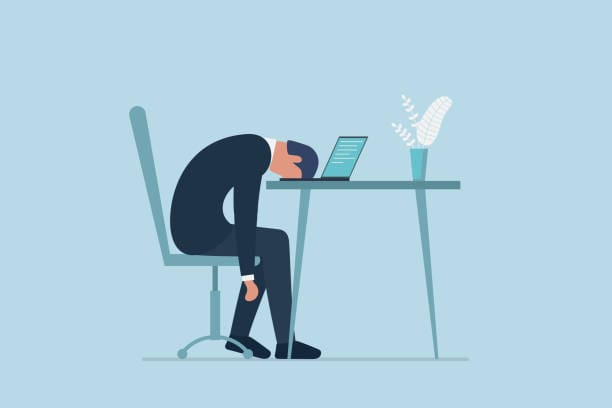
In every thriving privately held business, there’s usually one person at the center of it all, the founder, owner, or managing partner whose drive, vision, and relentless commitment have built something remarkable. Yet, for all the success that determination creates, it often comes with an invisible cost: owner dependency. This quiet but devastating risk occurs when too much of the business’s success depends on one individual’s knowledge, relationships, and daily involvement. What begins as a strength, the owner’s deep expertise and passion, slowly evolves into a systemic weakness that threatens the owner’s health, the company’s stability, and the long-term transferability of its value.
The Human Toll: When Dedication Becomes a Health Hazard
Many business owners operate in a constant state of urgency. They wear every hat, chief strategist, rainmaker, operations manager, and sometimes even the therapist for their own team. The pressure to sustain growth and maintain control can become overwhelming, leading to sleepless nights, elevated stress levels, and a sense that stepping away, even briefly, will cause the entire machine to break down. Over months and years, this takes a measurable toll. Owners report chronic fatigue, poor nutrition, weight fluctuations, high blood pressure, anxiety, and depression, physical manifestations of an unsustainable workload, and the fear of letting go.
The mental health effects are equally destructive. When owners identify so completely with their business, the company’s problems feel personal and inescapable. Every missed opportunity, delayed payment, or unhappy client becomes a reflection of self-worth. Over time, the emotional burden compounds into burnout, a condition that erodes creativity, patience, and leadership presence. Relationships at home suffer. Hobbies disappear. Even the joy of the business itself, the spark that built it, can dim under the weight of constant pressure. In extreme cases, health crises force an abrupt and painful separation between owner and enterprise, leaving the business and family unprepared.
The Operational Fragility Beneath the Surface
Owner dependency isn’t just a personal issue; it’s an organizational one. Companies where the owner is the key decision-maker, relationship manager, and problem solver often lack the systems, documentation, and delegation structure necessary for long-term stability. Employees, even those with potential, become reliant on the owner’s approval or expertise. Customers and suppliers expect direct access to the top. Without realizing it, the owner becomes the company’s single point of failure. When that individual is unavailable, whether due to illness, burnout, or simply exhaustion, decisions stall, quality slips, and momentum evaporates.
This fragility has a cascading effect. It discourages employees from taking initiative, stifles innovation, and limits scalability. It also prevents the company from developing a true leadership bench, a critical factor for valuation and continuity. Many owners recognize this too late, discovering only during a crisis or sale process that their personal indispensability has trapped both them and the company in a self-reinforcing cycle of dependency.
The Financial Consequences: How Value Erodes Overnight
In valuation terms, owner dependency is one of the biggest drags on enterprise value. Buyers and investors view it as a direct risk because if the owner steps away, so might the profits. A company with strong financials but high dependency can lose 30% to 70% of its market value compared to a similar business with systems, succession, and leadership in place. In some cases, the business becomes unsellable altogether, or the buyer demands an extended earnout that keeps the owner tethered long past their intended exit.
This erosion doesn’t just impact the business; it jeopardizes the owner’s retirement and legacy. Many entrepreneurs plan to sell their business as the cornerstone of their wealth strategy, but when dependency reduces the purchase price, it also reduces their ability to retire comfortably or fund family goals. Worse, if health issues force an unplanned transition, the owner’s family may face a steep decline in income and asset value almost overnight. The years of sacrifice, late nights, and personal investment can be undone in a matter of months.
Breaking the Cycle: From Dependency to Independence
Reducing owner dependency is not about working harder; it’s about working differently. The process begins by acknowledging the risk, understanding that true leadership is measured not by how much an owner does, but by how well the business performs without them. From there, it involves building structure: documenting key processes, developing a capable leadership team, delegating authority, and creating transparent performance dashboards that keep the company running smoothly in the owner’s absence.
Equally important is the human side of transformation. Owners must learn to separate identity from role to recognize that their value lies in the vision they’ve built, not the daily decisions they control. Establishing boundaries, prioritizing health, and seeking support through advisors, coaches, or peer forums are crucial steps in this evolution. Just as importantly, developing successors, offering performance-based incentives, and implementing clear succession plans not only protect continuity but also signal to employees, clients, and potential buyers that the business is built to last.
Protecting Legacy and Value for the Long Term
Ultimately, addressing owner dependency is about more than operational efficiency, it’s about preserving the legacy and life’s work of the entrepreneur. A business that can function, grow, and thrive without constant owner involvement is more resilient, more valuable, and far less stressful to lead. It gives the owner freedom: freedom to take time off without fear, freedom to plan an exit on their terms, and freedom to enjoy the success they’ve created.
By proactively reducing dependency, owners safeguard not only the financial value of their enterprise but also their health, their family’s security, and the enduring impact of their vision. The transition from “I am the business” to “The business can run without me” is one of the hardest, but also one of the most liberating and rewarding, shifts any entrepreneur can make. In doing so, they turn a fragile company into a lasting institution and transform personal exhaustion into enduring legacy.


